Well Street Market garden clearance what to expect and costs
If you are planning a tidy-up near Well Street Market, you may already know the feeling: the garden looks a bit overwhelming, the brambles are winning, and you just want a clear idea of what the job involves before you book anyone in. That is exactly what this guide is for. We will walk through Well Street Market garden clearance what to expect and costs, explain how the work is usually carried out, what affects the price, and how to judge whether you need a one-off clearance or something more regular. No fluff. Just the practical stuff you actually need.
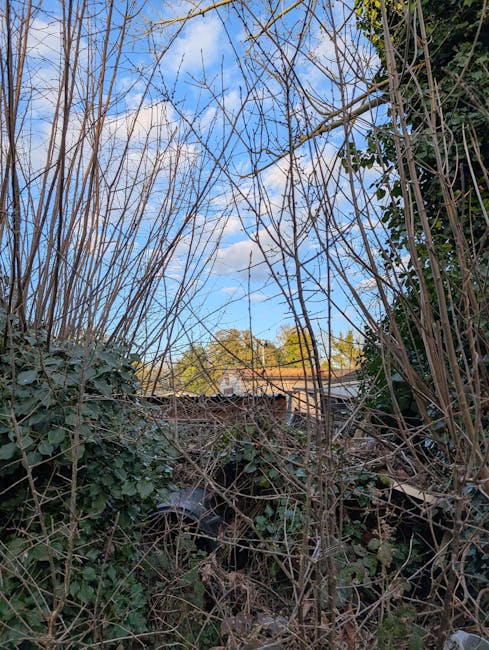
In a London setting, clearance jobs can vary a lot from one property to the next. A small front garden with overgrown weeds is very different from a back garden full of ivy, broken pots, dense growth, and hidden waste. To be fair, that is often where the surprise comes from: not the clearance itself, but the amount of labour and disposal involved. This article should help you go in with clearer expectations and fewer nasty shocks.
Why Well Street Market garden clearance what to expect and costs Matters
Garden clearance is one of those services that sounds simple until you see the actual work involved. At Well Street Market, where homes often have compact outdoor spaces, side returns, or older gardens with mature planting, the job can range from a quick rake-and-remove to a full-scale clearance involving thick growth, heavy lifting, and bagging waste for removal.
Understanding the likely cost matters because it helps you compare quotes fairly. A lower quote may only cover light tidy-up work, while a more complete service might include cutting back shrubs, removing ivy, clearing green waste, and loading everything away. If you only compare the bottom line, you can end up comparing two very different jobs. That is where people get caught out.
It also matters for planning. If you are preparing a property for sale, making space for landscaping, or just wanting to reclaim a garden that has gone a bit feral after winter, timing and scope affect everything. A clear picture of the process helps you decide whether you need a one-off clearance, ongoing garden maintenance, or a broader refresh that might sit alongside landscaping or fencing work.
Key takeaway: the real value is not just in removing waste. It is in restoring usability, improving safety, and creating a clean starting point for whatever comes next.
How Well Street Market garden clearance what to expect and costs Works
Most garden clearance jobs follow a fairly predictable pattern, though the scale changes from garden to garden. The first step is usually an assessment. This may happen by photos, a call, or an on-site visit, depending on how much detail is needed. A good quote should reflect the condition of the garden, the access available, and the amount of waste likely to be removed.
After that, the team will normally separate the job into practical tasks. These often include cutting back overgrowth, removing dead plants, stripping out weeds, gathering up loose debris, and loading waste for disposal. If there are tricky areas, such as ivy climbing over a wall or a shed buried under shrubs, the work can take longer than expected. Sometimes a garden looks tidy from one angle, then you step around the corner and... well, let's just say the real story appears.
The disposal side is a big part of the overall cost. A clearance quote usually covers labour and waste removal, and the amount of green waste, mixed waste, or bulky material can influence the final figure. If the garden includes hard waste such as broken planters, old timber, or damaged outdoor furniture, that can add another layer of effort.
For readers dealing with climbing growth specifically, the practical approach can benefit from advice like the techniques discussed in our ivy removal guide. Likewise, if weeds have taken over, the article on keeping weeds at bay is a useful follow-up once the clearance is done.
Key Benefits and Practical Advantages
The most obvious benefit is space. Once the clutter and overgrowth are gone, a garden feels bigger, lighter, and far easier to use. But the practical advantages go well beyond appearance.
- Safer access: clearing trip hazards, thorny growth, and hidden debris makes the space easier to move through.
- Healthier planting conditions: removing dead matter and choking weeds creates room for new planting and better airflow.
- Better light: cutting back dense growth can make a surprising difference in gloomy corners, especially in narrow London gardens.
- Easier future care: a cleared garden is much simpler to maintain, mow, weed, or redesign.
- Improved first impressions: especially important if you are preparing a property for sale or rent.
There is also a quieter benefit people do not always mention: peace of mind. A neglected garden can nag at you every time you look out of the window. Once it is cleared, the mental relief is real. You feel it. A little less pressure, a little more possibility.
If the goal is to turn a neglected plot into something usable again, a clearance job can be the first step before adding structure, planting, or softer design elements. For some gardens, that means moving on to container planting, privacy screening, or even a seating area that feels much more inviting. If that is the direction you want to go, the ideas in transforming a backyard into a seating sanctuary can be a helpful next read.
Who This Is For and When It Makes Sense
Garden clearance makes sense for a wide mix of people. Homeowners often need it after a period of neglect, tenant turnover, or a particularly wild growing season. Landlords may need it between lets. Families may want a clear, safer outdoor space for children. Older residents sometimes book clearance because the job has simply become too heavy or too time-consuming to tackle alone.
It is also useful if you are planning something bigger. For instance, before laying new turf, installing a hedge, or starting a redesign, it is usually better to strip the space back first. That way you are not working around old roots, dead stems, and the general mess that hides underneath. Sounds obvious, but people do try to plant around the chaos. Rarely goes well.
Situations where clearance is especially sensible include:
- overgrown gardens after a long spell of no maintenance
- properties with invasive weeds or ivy
- post-winter tidy-ups when broken growth has built up
- gardens affected by storm debris or windblown waste
- spaces being prepared for sale, letting, or renovation
If you are not sure whether you need clearance or ongoing care, compare your situation with regular services such as garden maintenance or more specific work like lawn care and lawn mowing. Sometimes the right answer is a one-off reset. Sometimes it is a mix of services.
Step-by-Step Guidance
Here is the practical sequence most people can expect when booking a clearance job near Well Street Market.
- Initial assessment: The contractor looks at the size of the garden, how overgrown it is, and how easy it is to access. Narrow side gates, rear alley access, or limited parking can affect the job.
- Scope agreed: You should be clear on what is included. For example: weed removal, hedge reduction, ivy stripping, leaf clearance, branch cutting, debris collection, and waste removal.
- Preparation: Any items you want kept should be moved out of the way. Pots, tools, children's toys, and valuables are best cleared before the team arrives.
- Clearance work: The team cuts, pulls, gathers, and loads. Heavier work may be done first so the rest of the garden becomes easier to access.
- Waste loading and disposal: Materials are bagged or loaded into a vehicle and taken away in line with proper disposal practice.
- Final tidy: The area is usually left swept or raked, though exact finishing detail depends on the service level you agreed.
One good tip: ask whether the quote is based on photos, a site visit, or a worst-case estimate. That alone can save a lot of back-and-forth. And if you are comparing quotes, make sure the same tasks are included in each one. Otherwise, apples and oranges, basically.
What affects the price the most?
The main cost drivers are usually time, access, and waste volume. Dense overgrowth takes longer to cut back than light tidying. A garden that can be reached easily from the front may cost less than one with awkward access through the house. And if the clearance produces a lot of waste, disposal fees or transport time may rise.
Other price factors can include:
- the amount of bramble, ivy, or woody material
- how many trips are needed to remove waste
- whether heavy lifting is involved
- the presence of mixed waste rather than just green waste
- whether the job needs specialist tools or extra labour
Truth be told, a quote that looks cheap can sometimes just be a light-touch tidy. A fuller clearance costs more because it does more.
Expert Tips for Better Results
A well-run clearance job is not just about brute force. A few smart decisions up front can make the result cleaner, quicker, and more cost-effective.
- Send clear photos in good daylight. Early morning or late afternoon shadow can hide the real extent of the mess.
- Flag problem areas. If there is broken glass, hidden timber, or unstable ground, say so before the team arrives.
- Decide what should stay. A rose bush is not the same as a weed, but under pressure they can look surprisingly similar.
- Book before peak growing periods if possible. Spring and early summer often see more demand, which can make scheduling less flexible.
- Think about the end goal. If you are planning new planting, it helps to clear with that in mind. For example, a future border might suit a ground cover plan from our ground cover ideas.
If your garden faces weather exposure, the clearance can also be part of a broader resilience plan. Clearing weak, storm-damaged growth before the next gusty spell helps reduce further mess. For that kind of planning, these severe-weather protection methods are worth a look.
A little bonus tip: if you want the garden to stay under control after clearance, ask for recommendations on follow-up maintenance. A good team should be able to tell you whether you need weekly, monthly, or seasonal attention. Not every garden needs constant care, but most gardens do need some rhythm.
Common Mistakes to Avoid
The most common mistake is underestimating the job. A garden that looks "just a bit untidy" may actually contain a lot of hidden labour. Thick weeds, tangled ivy, and layered debris can turn a small space into a full day's work.
Another mistake is not defining the scope properly. If you want the shed area cleared, the hedge cut back, and the waste taken away, say it clearly. Otherwise, you may get a tidy-up that does not quite match what you had pictured.
Other mistakes to avoid:
- Comparing quotes without checking inclusions. Waste removal, labour, and access assumptions can differ a lot.
- Leaving no access route. A garden clearance team still needs space for equipment and waste bags.
- Ignoring what happens after the clearance. If you do nothing, weeds and regrowth will return, sooner than you think.
- Assuming all waste is handled the same way. Green waste, wood, and mixed rubbish may need different handling.
- Waiting until the garden becomes a hazard. A small early tidy is usually simpler than a full rescue job.
A slightly awkward but useful reality: if you have not looked at the back corner in six months, do not be surprised when the quote reflects more than "a quick tidy." Nature moves fast when nobody is watching.
Tools, Resources and Recommendations
A professional garden clearance relies on practical tools rather than fancy kit. Depending on the job, the team may use secateurs, loppers, hedge cutters, rakes, spades, wheelbarrows, heavy-duty bags, and protective gloves. For thicker material, specialist cutting tools may be needed, especially where roots or woody stems are involved.
If the clearance is linked to follow-up maintenance, it helps to think ahead about the tools and services you may need next. A newly cleared space might benefit from weed control, fresh planting, pruning, or a more structural update. If you are planning a wider garden refresh, the broad overview at gardening services can help you think through the possibilities.
Useful things to prepare before a clearance booking:
- photos of the garden from multiple angles
- a short list of what must stay
- a short list of what definitely goes
- details of access, gates, parking, or timed entry
- notes about thorns, broken items, or uneven ground
For ongoing upkeep, a simple seasonal routine can stop a future clearance from becoming too big. If your garden includes hedges that are creeping out of bounds, look at hedge trimming in South Hackney as part of your wider plan. That sort of light control often saves money later.
Law, Compliance, Standards, or Best Practice
For most domestic garden clearance jobs, the key compliance point is waste handling. In the UK, garden waste and mixed waste should be managed responsibly, and a reputable provider should be able to explain how disposal is handled. You do not need a legal lecture, just confidence that waste is not being dumped somewhere it should not be.
Best practice also includes safe working methods. That means suitable protective equipment, sensible lifting, care around sharp material, and a tidy work area that avoids unnecessary damage to paving, fences, or planting you want to keep. If a job involves awkward cuts, heavy branches, or unstable structures, it can overlap with broader safety considerations. In those cases, it is worth checking a provider's insurance and safety approach and their health and safety policy.
It is also fair to ask about terms, payment, and what happens if the scope changes on the day. Good service should be clear, calm, and straightforward. You should not need to decode tiny-print confusion after the fact.
Options, Methods, or Comparison Table
Not every garden needs a full clearance. Sometimes a lighter service makes more sense, especially if the space is mostly tidy but needs a reset. This simple comparison may help.
| Approach | Best for | Typical effort | Cost impact |
|---|---|---|---|
| Light tidy-up | Minor leaf fall, light weeds, small pruning jobs | Low | Usually the lowest cost |
| Standard clearance | General overgrowth, weed build-up, seasonal neglect | Medium | Moderate, based on labour and waste |
| Heavy clearance | Dense brambles, ivy, large volumes of waste, access issues | High | Higher due to time and disposal |
If you are deciding between a full clearance and a gentler maintenance visit, think about the garden six weeks from now, not just today. A heavy clearance can be the right move if the space is truly out of hand. But if things are only starting to slip, ongoing care may be more sensible and less disruptive.
In some properties, the best option is a combination of services. For example, a clearance followed by patio cleaning, or a garden reset followed by lawn mowing and a bit of planting. Small steps, but they add up.
Case Study or Real-World Example
A typical local scenario might look like this: a small rear garden near Well Street Market has not been touched properly since last autumn. By early summer, the weeds have spread, the hedge has flopped outward, and ivy is beginning to creep across the fence. The owner wants the garden cleared before inviting family round and before deciding what to do next.
In that situation, the work would likely start with an assessment of the access and the amount of growth. The team would remove the obvious waste first, then tackle the thicker areas so the garden becomes easier to work through. Once the bulk is out, they would do the fine tidy: edges, loose cuttings, and the last bits of debris hiding near the border.
The final result is not just a cleaner space. It is a garden that feels manageable again. That is the bit people often notice first when they step outside the next morning. The air feels lighter, the ground is visible, and suddenly there is room to imagine something better. A seating area. Fresh planting. Maybe even a small herb bed.
If that sounds like your own garden, you are not far off the usual pattern. These jobs are common, and they are very fixable.
Practical Checklist
Use this simple checklist before booking a garden clearance:
- Take clear photos of the garden from several angles.
- List the areas that must be cleared.
- Mark anything you want to keep.
- Check whether access is easy from the front or rear.
- Ask what is included in the quote.
- Confirm whether waste removal is part of the price.
- Ask how mixed waste or bulky items are handled.
- Prepare for pets, children, or fragile items near the working area.
- Decide if you want a one-off clearance or follow-up maintenance.
- Think about the next step after clearance, such as planting or redesign.
If you are trying to keep costs under control, the smartest move is usually simple: be precise. The clearer your brief, the easier it is to price correctly.
Conclusion
Well Street Market garden clearance what to expect and costs comes down to three things: the condition of the space, the amount of waste, and the level of finish you want. Light tidies are quicker and cheaper. Dense, overgrown, access-challenged gardens take more time and usually cost more. That is normal, and it is exactly why a proper quote matters.
The best clearance jobs are the ones that leave you with a garden that feels usable again, not just stripped bare. Whether you want a fresh start for planting, a safer outdoor space, or a cleaner view from the kitchen window, a well-planned clearance gives you that reset point. And honestly, sometimes that is the hardest part done.
For a next step, think about whether your garden needs one clean sweep or a longer-term plan. If it is the second one, combining clearance with maintenance, mowing, or structural work can save time later and keep the space from slipping back into chaos.
Get a free quote today and see how much you can save.
A clear garden has a way of making the whole home feel calmer. Small win, big difference.
Frequently Asked Questions
What does a garden clearance usually include?
It usually includes cutting back overgrowth, removing weeds, gathering debris, bagging waste, and taking away the material. Some jobs also include ivy removal, hedge reduction, or clearing broken garden items if agreed in advance.
How much does garden clearance cost near Well Street Market?
The cost depends on garden size, access, waste volume, and how overgrown the space is. A small tidy can be relatively straightforward, while a heavy clearance with lots of waste and difficult access will cost more.
Is waste removal included in the price?
Often yes, but not always in the same way. Some quotes include labour and disposal together, while others separate them. Always check before booking so there are no surprises.
Do I need to be home during the clearance?
Not always, but it helps if the team needs access or if there are specific instructions about what stays and what goes. If you cannot be there, clear written guidance and photos are useful.
How long does a garden clearance take?
It can take anywhere from a short visit to a full day or more, depending on the size and condition of the garden. A tidy plot is fast; thick brambles and ivy take longer. That is just the reality of it.
What is the difference between garden clearance and garden maintenance?
Garden clearance is usually a one-off reset to remove overgrowth and waste. Garden maintenance is ongoing care, such as mowing, pruning, weeding, and seasonal tidying. Many people use both at different times.
Can I book clearance before landscaping work?
Yes, and that is often the best order. Clearing the garden first makes it easier to design, build, or replant the space without working around old waste and hidden growth.
Will clearance remove ivy and stubborn weeds?
Yes, if that is included in the brief. Ivy and deep-rooted weeds may need extra labour, especially if they have spread across fences, walls, or paving.
Is garden clearance safe for older fences, sheds, or walls?
It can be, provided the work is done carefully. If structures are fragile, let the team know beforehand so they can work around them and avoid damage. Good communication helps a lot here.
How can I keep the cost down?
Prepare the garden as much as you can, send clear photos, define the job properly, and separate items you want removed from items you want kept. The more accurate the brief, the better the quote tends to be.
What should I ask before accepting a quote?
Ask what is included, how waste is handled, whether access affects price, and if the quote is fixed or subject to change after inspection. Those four questions cover most of the usual confusion.
What should I do after the clearance is complete?
Think about maintenance straight away. A cleared garden is much easier to keep under control if you follow up with mowing, pruning, or planting. Otherwise, the weeds will come back with enthusiasm. They always do.