Common problems with access for South Hackney garden services
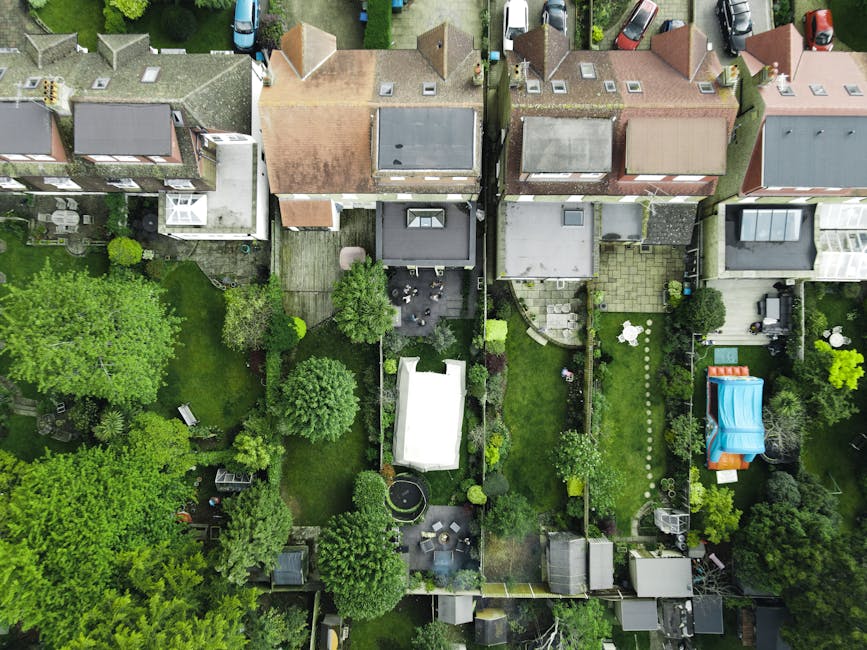
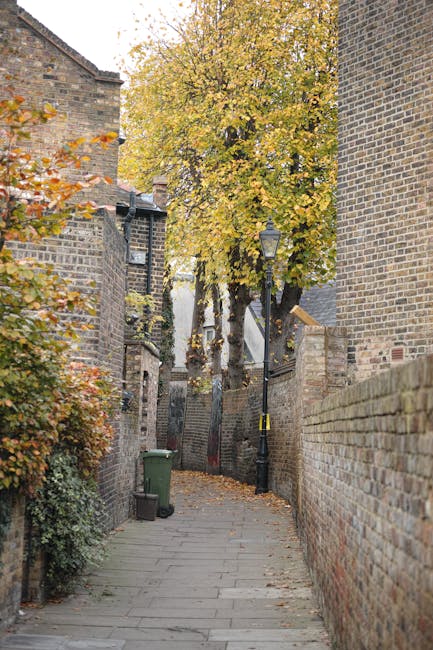
If you are booking garden work in South Hackney, access can become the real job before the real job. Narrow side passages, shared entrances, awkward parking, locked gates, overgrown front gardens, and no clear route for waste all slow things down. In some homes, the garden itself is fine; it is the route to it that causes the headache. This guide explains the most common problems with access for South Hackney garden services, why they matter, and what you can do to make the whole visit smoother from the start.
To be fair, most access issues are not dramatic. They are the sort of things you only notice when a mower will not fit through a passage, or a pile of green waste has to be carried through the kitchen because there is no back entrance. A little planning helps a lot. And if you want to understand how access affects the wider service, you may also find gardening services and garden maintenance useful pages to review alongside this article.
Table of Contents
- Why access problems matter
- How access is handled on site
- Key benefits of sorting access early
- Who this is for
- Step-by-step guidance
- Expert tips for better results
- Common mistakes to avoid
- Tools, resources and recommendations
- Law, compliance, standards and best practice
- Options and comparison table
- Case study example
- Practical checklist
- Conclusion
- Frequently asked questions
Why Common problems with access for South Hackney garden services Matters
Access issues matter because they affect time, labour, cost, safety, and what work is actually possible on the day. In a dense London area like South Hackney, gardens are often tucked behind terraced homes, flats, or shared courtyards. That means the crew may need to move tools, soil, branches, bags of waste, watering equipment, or even larger kit through tight spaces. One blocked route can turn a tidy half-day job into a slower, messier one.
There is also the customer experience side of it. When access is not discussed in advance, people often feel surprised by delays, extra labour, or limitations on what can be completed. Nobody likes hearing, halfway through a visit, that the hedge trimmer cannot fit through the side gate. That sort of moment is avoidable, and it is usually avoidable with a few simple checks beforehand.
From a business point of view, access is one of the biggest planning factors for jobs such as lawn mowing, hedge trimming, patio cleaning, and tree surgery. The service may be straightforward in theory, but if the route in is cramped, wet, uneven, or shared, the practical reality changes pretty quickly.
Expert summary: the best garden jobs usually go more smoothly when access is treated as part of the job specification, not as an afterthought. That one detail can save time, protect property, and prevent awkward surprises.
How Common problems with access for South Hackney garden services Works
In practice, access is checked in layers. First comes arrival: can the team park nearby, unload safely, and reach the property without blocking neighbours or creating a hazard? Next comes entry: can people, tools, and materials get through the front door, side passage, shared hallway, or rear gate? Then comes working space: is there enough room to operate equipment, stack waste, and move without damaging planting, paving, fencing, or decking?
Most access difficulties fall into a few clear categories. Some are physical, such as narrow gates or steep steps. Some are logistical, such as no parking close by. Others are social, like shared access with neighbours who may not be expecting a contractor to pass through. There can also be weather-related issues. A perfectly normal path can become slippery or boggy after rain. In South Hackney, where many gardens are compact and shaded, that happens more often than people expect.
For larger or more disruptive jobs, access affects the method as much as the timetable. For example, with garden clearance, waste removal is often the biggest challenge. With tree lopping and removal, it is not only the access to the tree but the space needed to cut, lower, and clear material safely. The work can still be done, of course, but the route in and out needs to be realistic.
Sometimes the job is technically possible but slower than expected. That is not failure. It is just planning. Truth be told, the difference between a stressful visit and a tidy one often comes down to whether the access picture was clear before the van pulled up outside.
Key Benefits and Practical Advantages
Sorting access in advance brings benefits that go beyond convenience. It helps protect the property, keeps the team working efficiently, and usually gives a better finish. It also makes it easier to quote accurately. If the team knows they will have to carry waste through a long alley or manoeuvre equipment through a narrow side gate, they can plan properly instead of guessing.
- Less delay: the team can start sooner and finish with fewer interruptions.
- Lower risk of damage: fewer tight turns with bulky tools means fewer scuffed walls, broken pots, or damaged edging.
- Cleaner working: clear access makes it easier to protect flooring, lawns, and pathways.
- Better labour planning: crews can bring the right number of people and the right equipment.
- More accurate pricing: access is part of the true job cost, not an awkward surprise.
There is also a comfort factor. Homeowners often feel much better when they know what will happen, where the tools will go, and how waste will be taken out. That sounds small, but it matters. A tidy process feels professional. A chaotic one does not, even if the garden eventually looks lovely.
If you are comparing options, it can help to look at pricing and planning together rather than in isolation. The page on pricing and quotes is a sensible place to start if you want a clearer idea of how site conditions may affect the final estimate.
Who This Is For and When It Makes Sense
This topic matters for just about anyone booking work in South Hackney, but it is especially useful if your property has one or more of the following:
- a narrow side return or passage;
- shared access with another household;
- limited roadside parking;
- steps, uneven paving, or steep changes in level;
- locked gates or restricted entry times;
- dense planting that makes movement tricky;
- little or no rear access for waste removal.
It also makes sense for landlords, letting agents, property managers, and anyone arranging work for someone else. Often the person booking the garden service is not the person on site, which means access details can get lost between messages. A small misunderstanding can snowball. One person assumes a side gate is open; another assumes the contractor already has a key. And then the whole morning starts a bit sideways.
If you are arranging regular upkeep, access should be part of the routine rather than a one-off note. That is especially true for lawn care and recurring garden maintenance, where repeated visits benefit from the same reliable setup every time.
Step-by-Step Guidance
Here is a practical way to handle access without turning it into a saga.
- Walk the route before the visit. Start at the street and follow the likely path to the garden. Look for locked doors, narrow turns, low branches, or things that would catch a wheelbarrow.
- Measure the tight spots. You do not need a surveyor's tape for everything, but rough widths of gates, passages, and doorways are very useful.
- Check parking and unloading. Ask where the team can stop safely, and whether there is a nearby bay, permit restriction, or loading issue.
- Confirm who has access and when. If keys, codes, or neighbour permission are needed, sort that before the day of work. Not five minutes before. That never ends well.
- Flag fragile areas. Tell the team about loose slabs, wet decking, ornaments, child gates, or planting that needs careful handling.
- Plan waste removal early. If green waste, soil, branches, or old materials need to be carried out manually, say so upfront. That changes the job rhythm quite a lot.
- Share photos if needed. A couple of clear images of the gate, route, and garden layout can be more useful than a long explanation over text.
- Review the agreed method. For more disruptive work like clearance or tree work, make sure everyone understands whether materials are leaving through the house, the side passage, or a rear route.
For larger projects, access planning often sits alongside the wider scope of the job. If the garden needs more than maintenance, it may be worth looking at landscaping or landscape gardening options too, because redesign can sometimes improve access long term. A better layout can make future care simpler. That is not magic, just sensible design.
Expert Tips for Better Results
In our experience, the best access fixes are rarely expensive. They are usually practical, low-drama adjustments that make life easier for everyone involved.
- Keep gates free and easy to open. A stiff latch or swelling wooden gate can waste more time than people think.
- Clear a temporary route. Move bins, bikes, hosepipes, and planter stands out of the way before the crew arrives.
- Use protection on awkward surfaces. Simple coverings or runners can help on indoor routes, patios, or narrow paths.
- Book enough labour for harder access. A job with manual carrying is very different from one where a trolley can roll straight through.
- Be honest about the mess. Overgrown gardens, wet ground, and old waste all slow access down. Better to say it plainly.
- Think about return trips. If the job is likely to take more than one visit, make sure the route stays workable the next day too.
Small thing, but important: if you know the route is awkward, say so in the first message. You are not being difficult. You are helping the job go properly. That saves everyone a bit of faff. And let's face it, nobody needs extra faff on a Tuesday morning.
Where access is uncertain, a company that has clear policies on planning and site safety is usually easier to work with. It is sensible to review the health and safety policy and insurance and safety information before confirming larger or higher-risk jobs.
Common Mistakes to Avoid
Most access problems come from simple assumptions. That is the annoying part. They are avoidable, but only if somebody actually checks.
- Assuming standard equipment will fit. A mower, pressure cleaner, stump grinder, or wheelbarrow may need more space than expected.
- Forgetting about waste on the way out. Getting in is one thing. Getting bags, branches, and debris out is often the bigger issue.
- Not mentioning shared entrances. Shared hallways and communal paths can affect timings and permissions.
- Ignoring parking pressure. If the team has to park far away, the job can take longer and cost more.
- Leaving gates locked with no plan. A locked route and no key is a very quick way to stall a visit.
- Skipping the weather check. Wet ground can make narrow routes slippery and slow down the work.
- Failing to mention fragile finishes. Fresh paint, old brickwork, decking, and decorative stone all need care.
One of the sneakiest mistakes is underestimating how much access affects the schedule. People often think, "It's only the garden, how hard can it be?" Then the wheelbarrow gets stuck halfway down a slim passage, and suddenly the answer is: harder than expected. Not a disaster, just a reminder that the route matters.
Tools, Resources and Recommendations
You do not need specialist kit just to assess access, but a few simple tools and habits make a difference. A tape measure, phone camera, notebook, and basic site plan can solve a lot. If you are dealing with repeated bookings, it helps to keep a short access note on file: gate width, parking note, who holds keys, any shared entry details, and where waste is best removed.
For homeowners, the most useful resource is often your own property walk-through. Stand at the street and trace the route as if you were carrying a heavy bag of wet soil. If it feels awkward to you, it will probably feel awkward to anyone else too. That little thought experiment is surprisingly effective.
For contractors and customers working together on a larger project, these pages can also be relevant:
- Garden clearance for bulky waste and overgrown plots.
- Fencing if access problems are linked to damaged boundaries or gates.
- Decking services if rotten or uneven surfaces are making routes awkward.
- Patio cleaning where slippery surfaces may be affecting safe movement.
On the trust side, it is worth checking how a company handles privacy, payment, and general terms if you are arranging work remotely or through a landlord. The pages on privacy policy, payment and security, and terms and conditions can help set expectations clearly.
Law, Compliance, Standards, or Best Practice
Access planning is not just a convenience issue; it also sits inside normal UK best practice around safe working, property care, and responsible site management. Exact legal duties depend on the job type, the property, and the people involved, so it would be wrong to overstate any one rule here. Still, a few principles are widely sensible.
First, contractors should be able to move safely without creating avoidable risk to themselves, residents, neighbours, or visitors. Second, waste should be managed in a way that avoids obstruction and unnecessary mess. Third, customers should be given clear information about what access is needed before work starts. That is especially important for tasks that involve ladders, sharp tools, heavy lifting, or repeated carrying through tight spaces.
Where trees, hedges, fences, or structures are involved, planning becomes even more important. For example, tree surgery and fencing can involve more equipment, more material movement, and more need for safe entry and exit. A good approach is usually the one that reduces unnecessary handling and keeps routes as clear as possible.
It is also sensible to consider sustainability. Fewer unnecessary journeys, cleaner waste separation, and sensible transport planning all help reduce friction on site. If that matters to you, the page on recycling and sustainability is worth a look. And yes, the humble gate latch can be part of responsible job planning too. Not glamorous, but true.
Options, Methods, or Comparison Table
Different access problems call for different responses. There is no single fix, which is why a quick comparison helps.
| Access issue | Typical impact | Best practical response |
|---|---|---|
| Narrow side passage | Limits tool size and waste movement | Measure widths, reduce kit size, plan manual carrying |
| Limited parking | Slower unloading and longer site time | Arrange nearest legal stop, confirm loading options early |
| Locked or shared gate | Delays entry and may require neighbour coordination | Confirm keys, codes, and permissions before arrival |
| Steep steps or uneven paving | Higher trip risk and slower movement | Clear route, use careful handling, protect surfaces |
| No rear access for waste | More carrying through the property | Plan waste route, protect flooring, allow extra labour |
For simple routine jobs, a lighter approach may be enough. For heavy work, access planning should be more detailed. If the task sits somewhere in the middle, ask for a visit or at least clear photos. That one step often settles the question fast.
Case Study or Real-World Example
A fairly typical South Hackney scenario goes like this. A homeowner books a one-off tidy-up after months of growth. The front looks fine enough, but the back garden is reached through a narrow side return with two bends, an old bin store, and a latch that sticks if it has rained. The garden itself is modest, but the waste pile is not. There are branches, old pots, and enough cuttings to fill several bags.
On arrival, the team can get in, but only after moving a few items out of the passage and taking care around the loose paving slabs. Because the access had been flagged in advance, they bring the right tools, allow more time for carrying waste, and avoid dragging bulky kit through the house. The job still takes longer than a very open site would, but it stays orderly. No panic, no damage, no confusion. Just a slightly slower, more considered visit.
That kind of job is actually a good outcome. Why? Because the awkwardness was handled before it became a problem. A small amount of planning saved a lot of stress. The garden was left neat, and the homeowner was not left wondering why the crew had turned up surprised. Easy enough to say after the fact, but on the day it makes all the difference.
Practical Checklist
Use this checklist before booking garden work that may involve difficult access:
- Measure the narrowest gate, passage, or doorway.
- Check whether the route is level, slippery, or uneven.
- Confirm parking or unloading options near the property.
- Tell the contractor about shared access, codes, or keys.
- Move bins, bikes, tools, and obstructions out of the way.
- Warn about fragile paving, decking, ornaments, or planting.
- Explain whether waste must be carried through the house or hallway.
- Share photos of the access route if anything looks tight.
- Ask whether the chosen service needs special equipment or more labour.
- Review the quote so you understand whether access affects timing or price.
If you are unsure about any of the above, it is better to ask early. A quick conversation now is much easier than trying to solve a locked-gate problem while someone is already standing on the pavement with tools in hand.
Get a free quote today and see how much you can save.
Conclusion
Common problems with access for South Hackney garden services usually come down to planning, not drama. Narrow routes, parking pressure, locked gates, and awkward waste removal are all manageable if they are spotted early. The best results come when the access route is treated as part of the garden job itself, not as a side issue.
That mindset helps with cost, safety, timing, and the final finish. It also gives everyone a calmer experience, which is underrated. A garden service should leave you with less stress, not more. And if the access is well thought through, that is exactly what tends to happen.
If you are arranging work soon, a clear conversation now will usually make the day run better, smoother, and with fewer surprises. Honestly, that is the real win.
Frequently Asked Questions
What are the most common access problems for garden services in South Hackney?
The most common issues are narrow side passages, limited parking, locked gates, shared entrances, steep steps, and no easy route for removing waste. In compact London properties, these can affect both speed and pricing.
Do I need to measure my gate before booking garden work?
Yes, it helps a lot. Even a rough measurement of the narrowest point can tell the team whether standard equipment will fit or whether a different approach is needed.
Can garden services still work if there is no rear access?
Usually yes, but it may take longer and require more manual carrying. That can affect labour and timing, especially for clearance or heavier jobs.
How does access affect the price of garden services?
Access can affect price because it changes how long the job takes and how much manual handling is needed. It is sensible to discuss this during the quote stage.
What should I tell a gardener before they arrive?
Tell them about gate widths, parking, locked access, shared entry, fragile surfaces, and where waste can be taken out. Photos are often helpful too.
Is it a problem if the garden is only reachable through the house?
Not always, but it needs to be planned carefully. Indoor routes may need protection for floors and walls, and the team may need extra time to move materials safely.
What happens if the weather makes access worse on the day?
If paths become slippery, muddy, or unsafe, the method may need to change. A good contractor will usually adapt the plan or discuss whether the visit should be rescheduled.
Should I book a larger service if access is awkward?
Sometimes yes. Jobs like garden clearance, tree work, or larger landscaping tasks may need more people, more time, or different equipment when access is tight.
Can access problems damage paving, walls, or fencing?
They can if the route is cramped and equipment has to be forced through. That is why protecting surfaces and planning movement is so important.
What is the best way to prepare a small South Hackney garden for a visit?
Clear the route, unlock gates, move obstacles, and tell the team about any awkward spots before they arrive. A short walk-through of the access route is often enough.
Do I need to mention shared access with neighbours?
Yes, absolutely. Shared access can affect timing, permissions, and how equipment is moved. It is one of those details that seems minor until it is not.
Where can I find more information about service expectations and policies?
You can review the company's about us, health and safety policy, and complaints procedure pages for more context on how work is handled and what standards are expected.